Blog
Blog
The Documentary’s “Surrogate Protagonist”
March 3, 2010
I’m teaching a webinar today about how to craft a great climax for your documentary. In preparing, I identified five criteria for an excellent climax scene. One of them is that the climax must show your protagonist in struggle. In this context, I was thinking about my favorite documentary, “The Times of Harvey Milk,” and how the climax scene cannot possibly show the protagonist in struggle, because he has already been assassinated earlier in the film. What we see instead is the so-called White Night Riots in which the San Francisco gay community storms on City Hall to protest against…
Read More...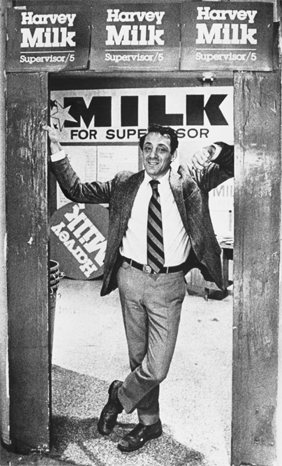
Editors Trained in Storytelling Methods
March 1, 2010
If you’re going to be hiring an editor soon, you may be happy to know that we’ve just done a lot of the vetting for you. Last month we put out a call for new editors to join our growing staff. We reviewed scores of resumes and chose the best candidates to train in our narrative storytelling methods and virtual post-production process. We’re excited to bring a few more select documentary projects, directed by passionate directors, to completion this year. If you are interested in exploring a collaboration with one of our talented editors, please reply to this email to…
Read More...Answering Your Documentary Film’s Central Question
February 24, 2010
The function of the third act is to ramp up suspense to a crisis that is so unbearable that the protagonist must call forth a supreme effort. Screenwriters know that at the end of act two, things should be as bad as they can imaginably get. Then in act three, they get even worse. This crisis, the story climax, will answer with finality the film’s central question: did the protagonist get what she desired? Sometimes the central question is answered immediately, as in The Story of the Weeping Camel. When the camel allows its baby to nurse, we know how…
Read More...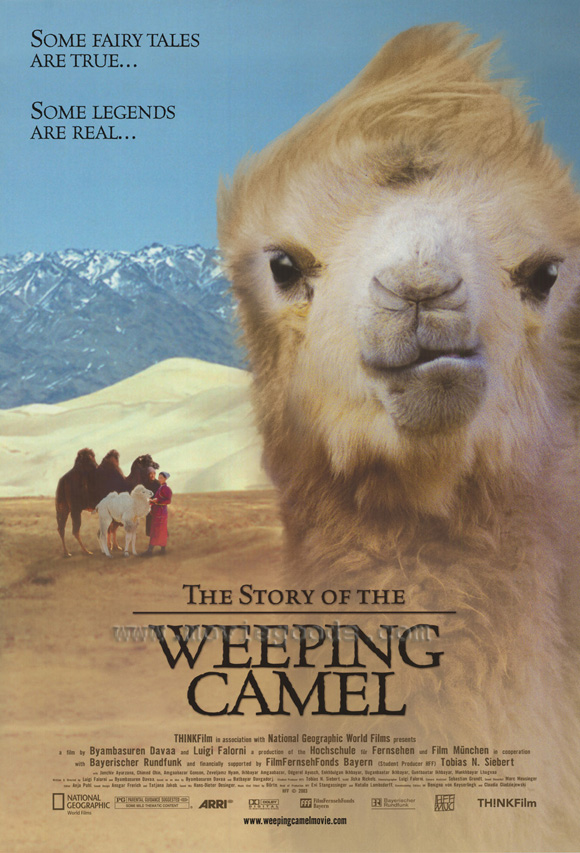
The Importance of Shooting Real Scenes
February 23, 2010
A production house with finishing funds recently turned down an interesting documentary project that we’ve been editing. The owners liked the story of a young man in search of his ancestory, but cited the lack of actual events, real scenes, and the overabundance of talking heads as the main reasons for passing on the project. Ninety percent of the film has been shot, but there are still two remaining key interviews that need to be filmed. On Friday, I will be on a conference call with the editor, consultant and director to talk about how to shoot these remaining interviews. …
Read More...Free Video for “Thinking Outside the Doc Box” Event
February 18, 2010
I’m excited to share with you the video of a packed documentary seminar sponsored by the San Francisco Film Society last week. This seminar breaks the myth that funders, especially ITVS, are only seeking character-driven documentaries. But much more than giving filmmakers permission to “Think Outside the Doc Box”, the seminar also presented several innovative ideas to spark your thinking for your own documentary projects. Access the video, as well as other free resources, here: https://newdocediting.com/documentaryinnovation/ No matter where you are in production on your film, it’s never too late to start thinking outside the documentary conventions. Strong, innovative ideas…
Read More...The Comeback of Spoken Narration
February 17, 2010
I recently spoke at an event in San Francisco aimed at getting documentary filmmakers to “Think Outside the Doc Box”. I invited the audience members to consider common documentary conventions, such as narration, and ask themselves, “How could I turn this convention on its head?”. Spoken narration has fallen out of favor in the last decade or so because filmmakers are loathe to invoke the so-called “voice of God”, an omniscient, authoritative male voice of exposition. This traditional convention has largely been replaced by title cards to deliver necessary information. However, I predict that spoken narration will make a comeback,…
Read More...Advice to Filmmakers: Reverse Engineer Your Psychobabble
February 16, 2010
I had the pleasure of having a former psychotherapist in my recent weekend seminar, “Structuring the Character Driven Documentary”. When we began our story focusing exercises, he was picked to be the guinea pig. One of the documentary story exercises involves filling out three simple sentences, which provide the skeletal backbone for acts one, two and three. For example, the first sentence reads, “When _____ happens, _______ (the protagonist) wants ___________. The idea is to try to pinpoint act one’s inciting incident, protagonist, and quest. For the film “Man on Wire”, for example, the sentence might read “When he sees…
Read More...Why “8: The Mormon Proposition” Inspired Me
February 11, 2010
I saw a documentary at the Sundance Film Festival that disturbed and ultimately inspired me. Reed Cohen’s “8: The Mormon Proposition” investigates the Mormon Church’s hidden activist involvement in California’s “Yes on 8” campaign, which would only allow a man and a woman to marry. What disturbed me was the film’s tone, which pointed the finger at Mormons (understandably so) but without the degree of compassion for which I was hoping. This gets personal for me. As some of you may know, I am bisexual and have made several documentaries about and for the gay community. What you may not…
Read More...
The Power of Focused Titles in Biographical Documentaries
February 10, 2010
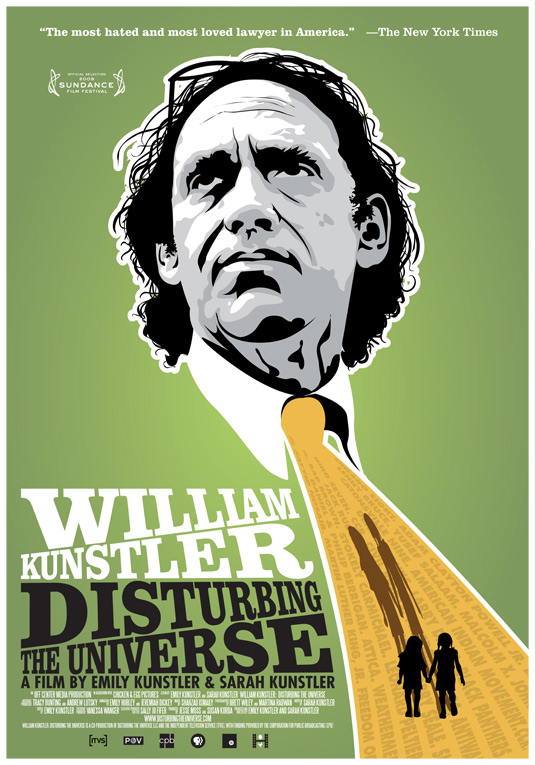
There were more biographical documentaries at the 2010 Sundance Film Festival than I’ve ever noticed before. I counted five biopics among the 16 films in the U.S. documentary competition. The problem with many biopics that never make it to broadcast, and the genius of those that do, often comes down to how skillfully the documentary focuses on the key events in a person’s life. Rather than trying to chronicle every seemingly significant event in the lifespan of your subject, consider focusing on a few key events that shape your subject’s character, define their overarching quest in life, and portray their…
Read More...
When to Include Your Personal Story in Your Documentary
February 9, 2010
I have worked with many filmmakers who wrestle with this question, “Should I include my own story in my documentary film?” Given how difficult it is to raise money for personal docs (I know, having I’ve made three of them), your decision should take into account these important questions. First, are you related to the subject of the film, and are they famous? These may sound like crass questions, but this sub-genre of personal documentaries made by the relatives (usually children) of famous people has emerged in the last decade as a powerful way of shedding light on the personal…
Read More...